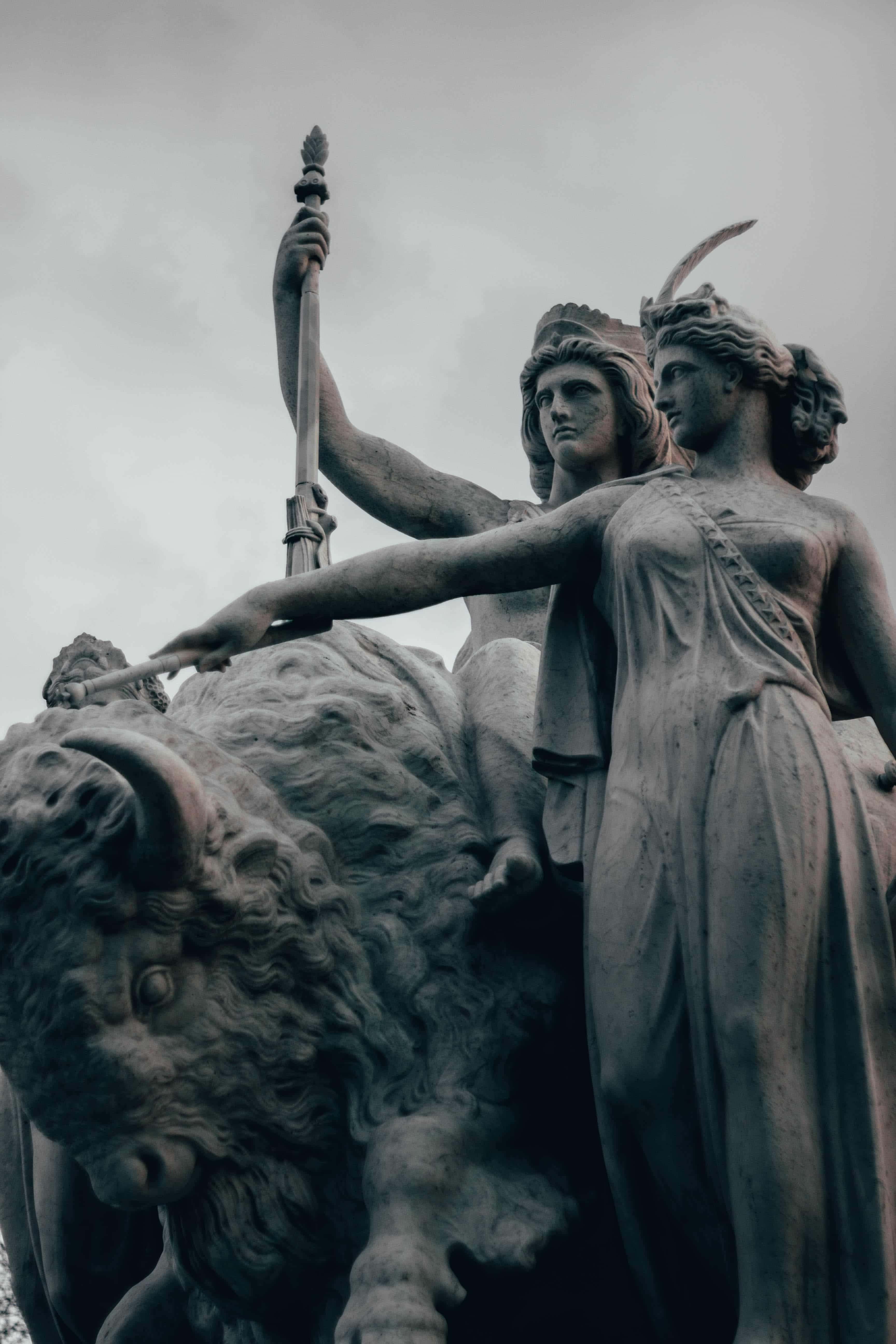

Every block of stone has a statue inside it and it is the task of the sculptor to discover it.
Michelangelo
Sculpture is perhaps the oldest art form in the whole of art history, produced from antiquity right up to the most contemporary of contemporary art. Sculptural artworks are richly varied, ranging from the figurative, such as statues, to the site-specific, the expressive and kinetic. Whilst it may be false to say that it is the oldest art form we have, sculptures are definitely the ones that have been preserved the best. You can have many different sculptural styles, from outdoor sculpture to kinetic sculpture, sculpture gardens and architectural sculpture, public art and figurines. Here, we are going to run through the history of the art of sculpture, from prehistoric times to the art world of today. We’re going to have to limit it to "western art" (as we are limited in space!) and we want to be as comprehensive as we can. So, buckle up!
The art of sculpture has existed for around 40,000 years (or even longer).
The earliest known sculptures, such as the Venus of Hohle Fels and Lion-Man of Hohlenstein-Stadel from prehistoric Europe, date back to the Upper Paleolithic period (around 35,000–40,000 BCE), making sculpture one of the oldest known art forms in human history.





Origin of Sculpture: The Oldest Ones in the History of Sculpture
Just to give you a sense of how old sculpture is, the earliest sculptures that we have found date back thirty-five to forty thousand years to the Upper Paleolithic. Two of the oldest "works" we know, although it is controversial to call this sort of sculpture art, come from the south of Germany. The oldest is what we call the Löwenmensch, a figurative sculpture of a person with the head of a lion (its name means, in English, "lion-man"). Another, which is the oldest undisputed figure of a human, is known as the Venus of Hohle Fels.
As will become clear throughout this trip through sculptural history, the art form was used less as a decorative form than as a ritualistic or religious device. Much of the interpretation of these pieces focus on the elements of sexuality and fertility. But the amazing thing is that these "Aurignacian" communities made these sculptures at all, living as they did in a continuous struggle for survival. Not very much is agreed on about these pieces. But what we can know for sure is that, no matter how old these pieces are, people were definitely producing sculptures long before them too. Here is a short introduction to the main theories, terms and perspectives shaping how art historians understand sculpture on YouTube!
The Sculptures and Sculptors of Antiquity: Ancient Greece, Egypt, Rome, and Mesopotamia
And whilst we don’t know much about the primitive civilizations that produced the earliest of sculptures, we know plenty about the boom in art production in the period between 4500BC and the end of the Roman Empire. It’s a little lazy to lump all of this geographical, stylistic, and thematic diversity under one title. Yet, these protoliterate and classical periods are the moment in which sculpture actually begins to resemble the figures it is seeking to represent.
Ancient Egyptian and Mesopotamian Sculpture
And here, we see a movement away from simply spiritual or ritualistic themes to something much more secular.
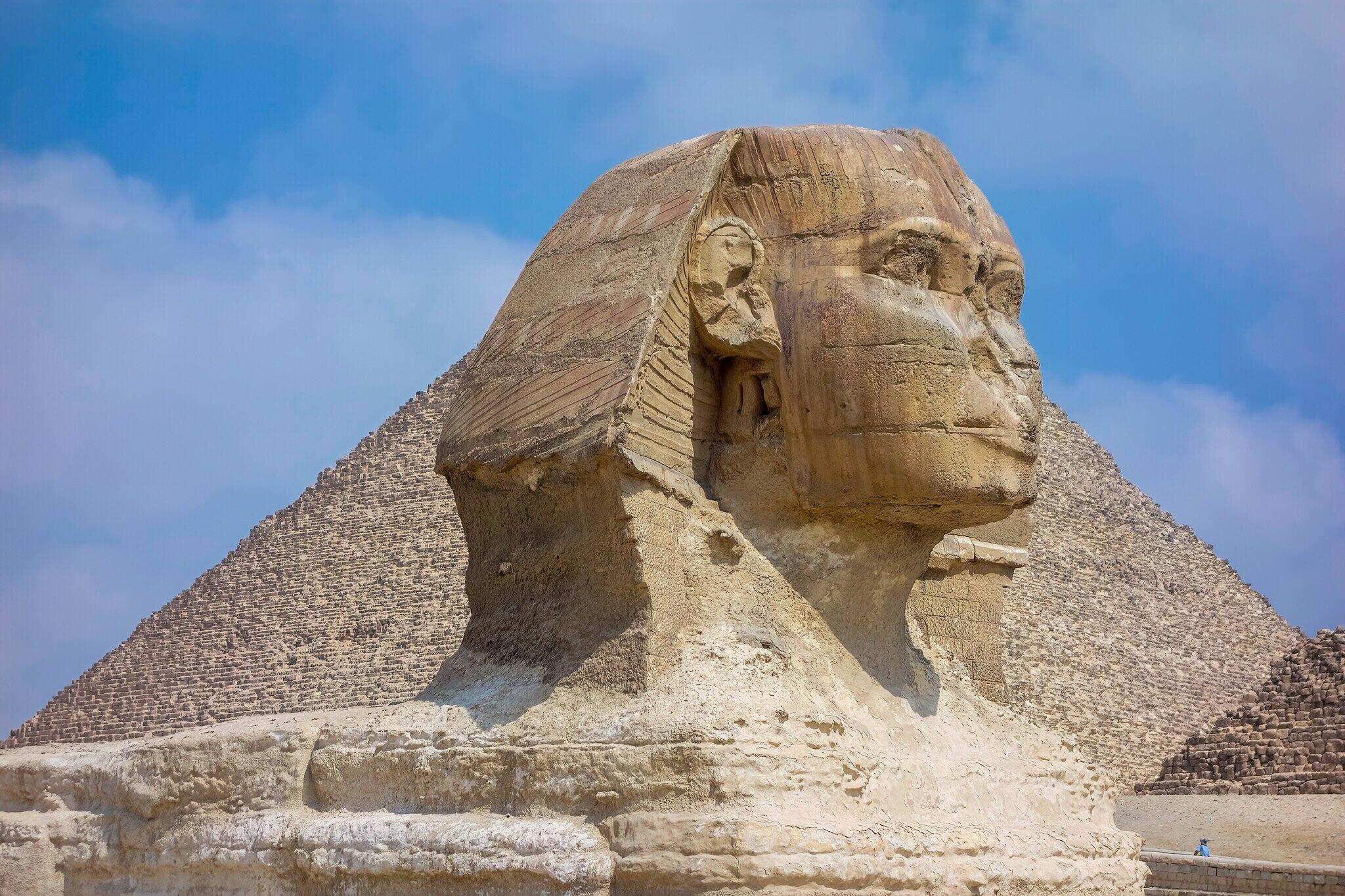
Starting, roughly, from the famous Great Sphinx of Giza, sculpture came to be entwined with symbols of status and power. These monumental figures were intended to be so colossal so to inspire awe.
Similarly, other sculptural works were envisioned as memorials for great battles, such as the Mesopotamian Stele of the Vultures, or to memorialize and preserve the dead. The famous canopic jars of the Egyptians serve the latter purpose.
Hellenistic and Roman Sculpture
With the growth of science, including knowledge of the anatomy, physiology and motion, sculpture under the ancient Greeks developed dramatically, achieving a naturalistic and representational style.
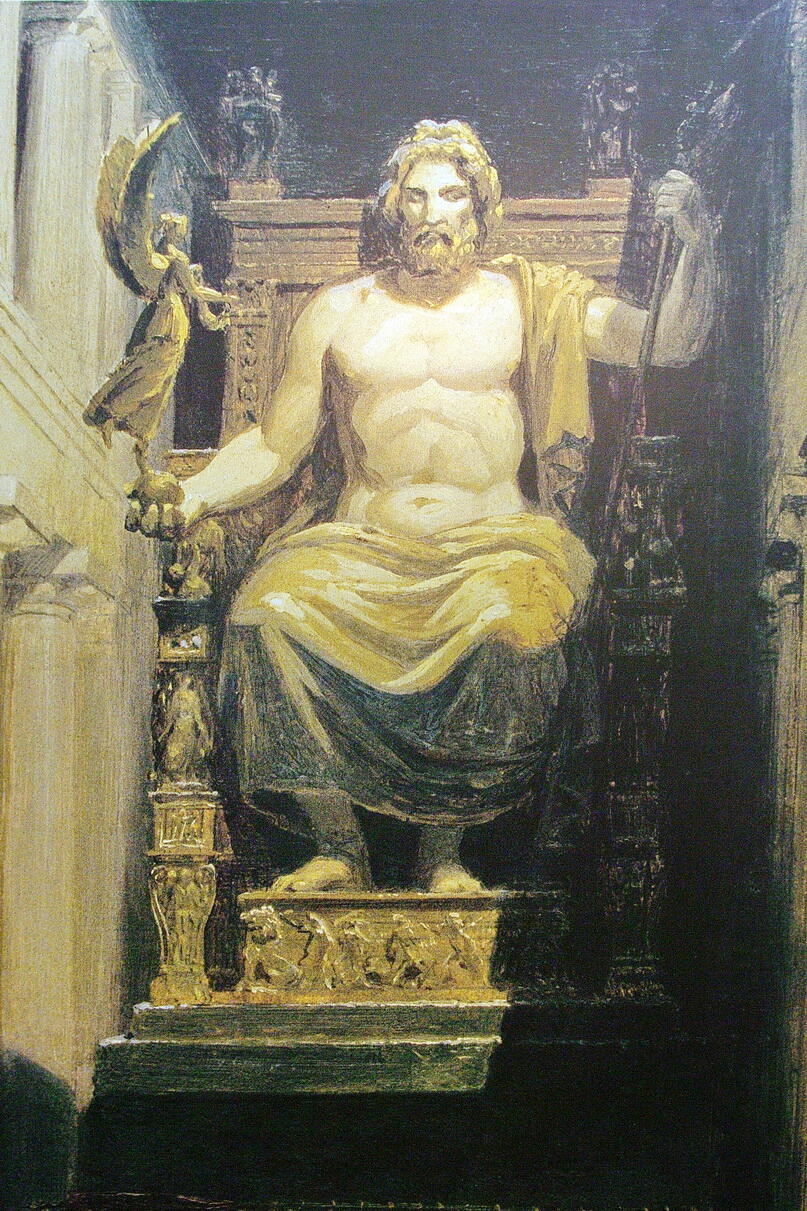
Whilst never relinquishing the religious element of sculpture, as many of the sculptures were placed in temples, Greek sculpture is known for attending closest to the human figure. The period between 450 and 400 BC is known as the zenith of Greek sculptural culture. This was in large part due to Phidias, one of the most influential and important of Greek sculptors, known for his Statue of Zeus at Olympia. Roman sculpture learnt essentially all it knew from the Greeks, and from the Etruscans, who had learnt in their own way from the Greeks.
Their sculptures were largely completed in bronze and the Roman period is known primarily for its portraits, such as that of Lucius Junius Brutus.
Early Christian Sculpture
With the birth of Christianity in the later years of the Roman Empire, sculptural traditions in Europe began to decline. This was in part due to the religious notion that, in the Ten Commandments, it forbade carvings of images. A general social instability across Europe contributed to the fact that, now, there are very few surviving medieval sculptures.
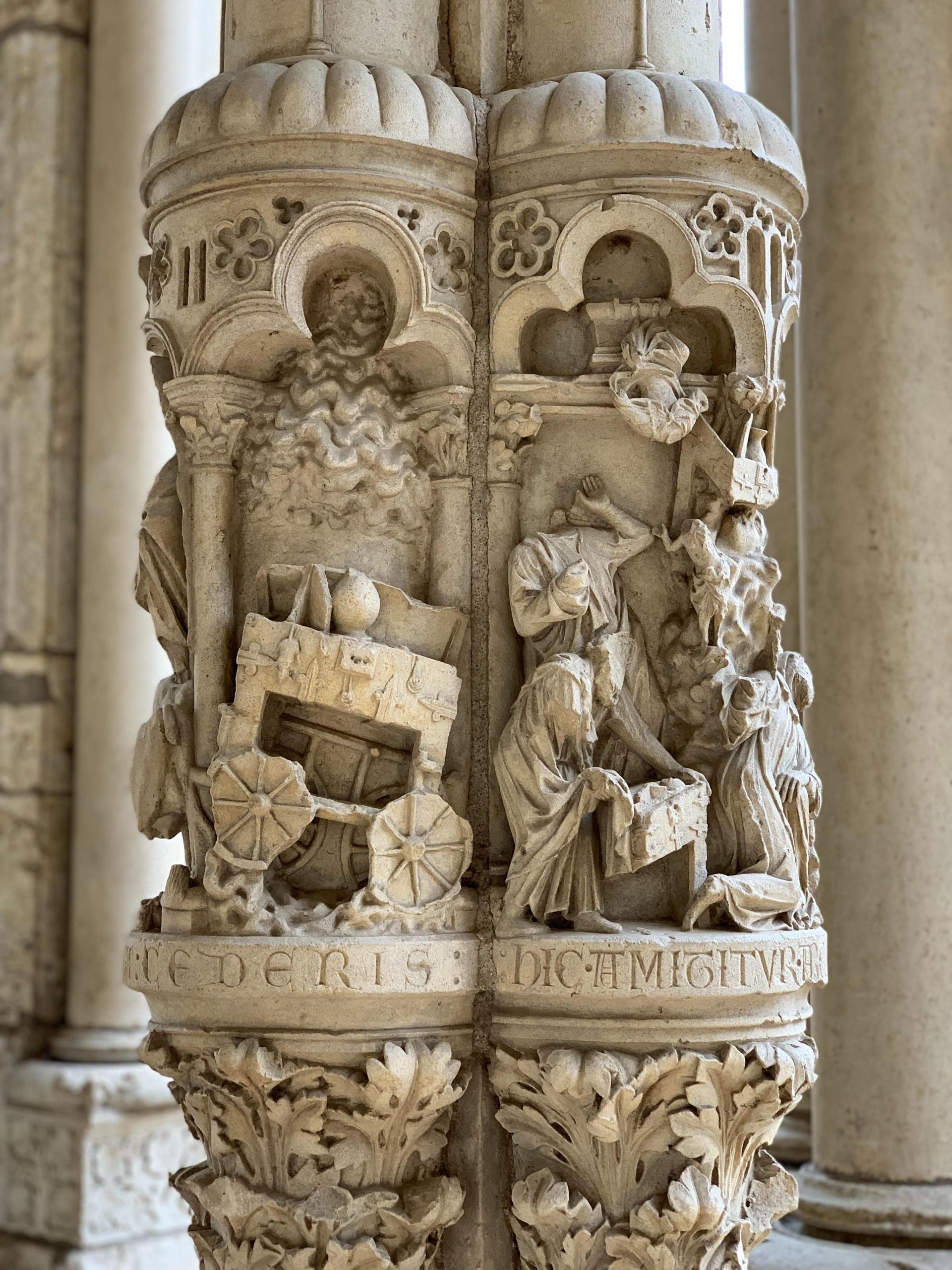
In northern Europe, in Scotland, Britain and Scandinavia, a tradition continued of erecting massive stone carvings. These were often in the shape of crosses, or else, in Scandinavia, were carved with runes. Generally speaking, early and later medieval sculpture was defined by its relation to Christianity. It adorned churches, tombs, and other religious items. The two styles that are most recognizable today from this period are Romanesque, which drew heavily on Greek and Roman sculpture and Gothic art, which emerged in France from this style.
Both were important in laying the ground for the sculptors of the Renaissance. Learn about famous sculptures from history!
Sculpture and the Italian Renaissance
We have learned to consider the Renaissance as history’s peak of artistic and literary culture.
This is sort of true, but, as with all artistic movements, the work of the Renaissance was heavily influenced by what came before. Just as the Greeks and Romans had moved sculpture away from simple religious imagery towards the human figure, the sculptors of the Renaissance did the same. Figures like Donatello and Michelangelo, who both made versions of David, were very knowledgeable about human anatomy and could make incredibly life-like statues. Whilst these two names, along with Leonardo da Vinci, are generally associated with the "High Renaissance", styles like Mannerism were just as important in this period.
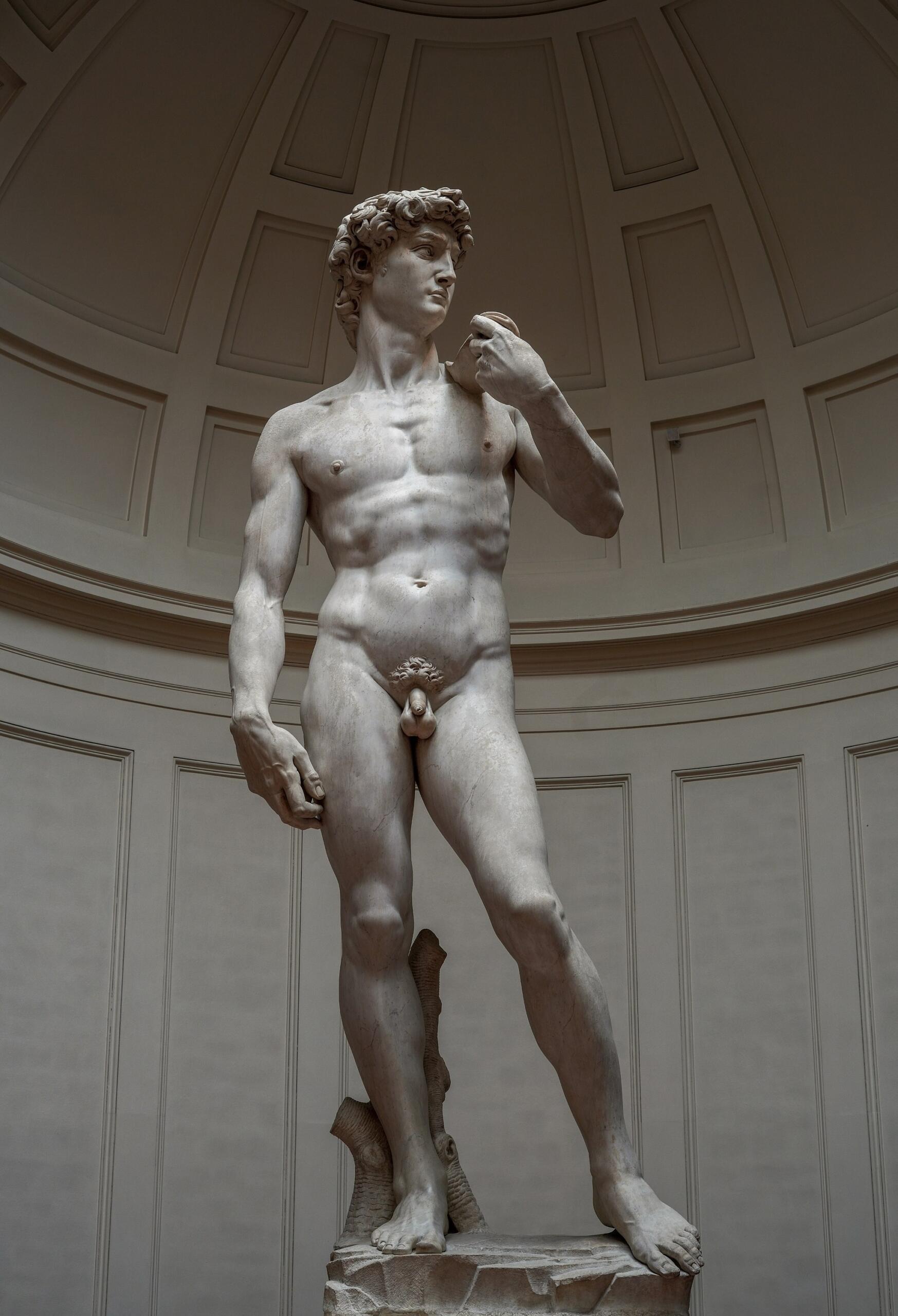
This period created some of the most famous sculptors in history.
Baroque, Rococo, and Neo-Classical Sculpture
Whereas the sculpture of the Renaissance focused on still human figures, the thing that characterized the artistic movements that followed was an interest in dynamism.
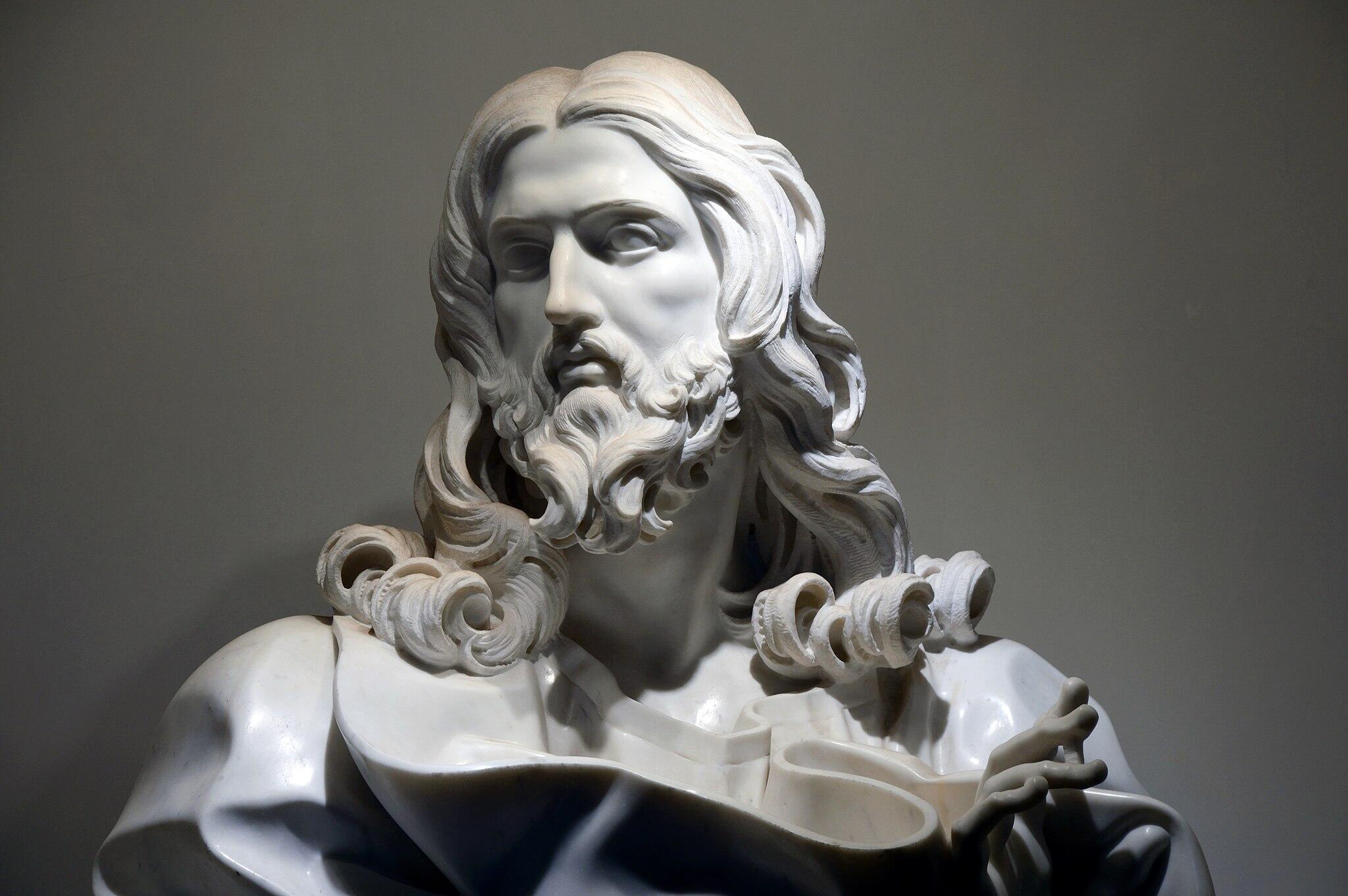
This is how Baroque sculpture began. In the seventeenth and eighteenth centuries, sculptors like Gian Lorenzo Bernini made artworks that reached out into space and that were visible "in the round", meaning from all different angles.
This was quite different to the reliefs that were generally made before. Whilst Baroque was more interested in large sculpture, rococo focused on small sculpture. But what it lacked in size, it made up for in theatricality and decorativeness. As tends to happen, this decorative excess drew a backlash, and, in the late eighteenth century, we find a boom in "neo-classical" work. This returned to the classicist principles of the Renaissance, with much more simple figures. Antonio Canova is a hugely important figure in this movement.
Rodin: The Start of Modernist Sculpture
At the turn of the twentieth century, a thing called modernism dominated the art world. Every sculptor and writer, painters, architects, and musicians, were galvanized by this desire to "make it new!". Modernism and modern art came from a desire to create new artistic and cultural forms. And the person who did this best, and most influentially, in sculpture was Auguste Rodin. Throughout the final years of the nineteenth century, and into the twentieth, Rodin sought to make sculpture less posed and more impressionistic. His work was more realist (but not necessarily more realistic) than the previous sculptural trends which focused more on religious or mythical figures. His impact was to be huge and he has one of the great sculpture museums named after him. The Musée Rodin is dedicated to Auguste Rodin’s life and works, housing many of his masterpieces such as The Thinker, The Kiss, and The Gates of Hell.
Sculpture in the Twentieth Century
Indeed, much of twentieth-century sculpture followed the path that Rodin had trodden. Yet, it also saw the massive proliferation of different ideas about what art and sculpture could and should be.
Throughout the century, sculpture variously became more abstract, more simple, more symbolic, more concerned with movement and shape, with light and dark, and more interested in different materials.
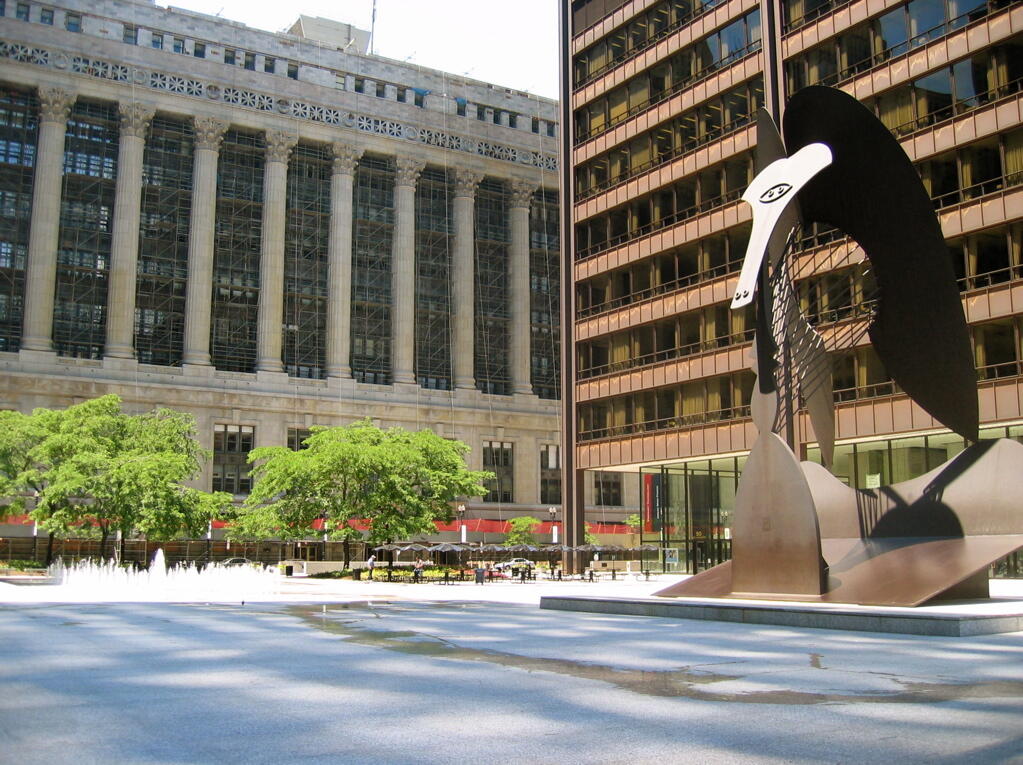
Some sculptors which you should know from the twentieth century are Pablo Picasso, Alberto Giacometti, Marcel Duchamp, Constantin Brancusi, and Henry Moore.
Contemporary Sculpture
These days, the possibilities open to contemporary artists are endless. And, as we said at the beginning, the lines between different artforms are continually being blurred.
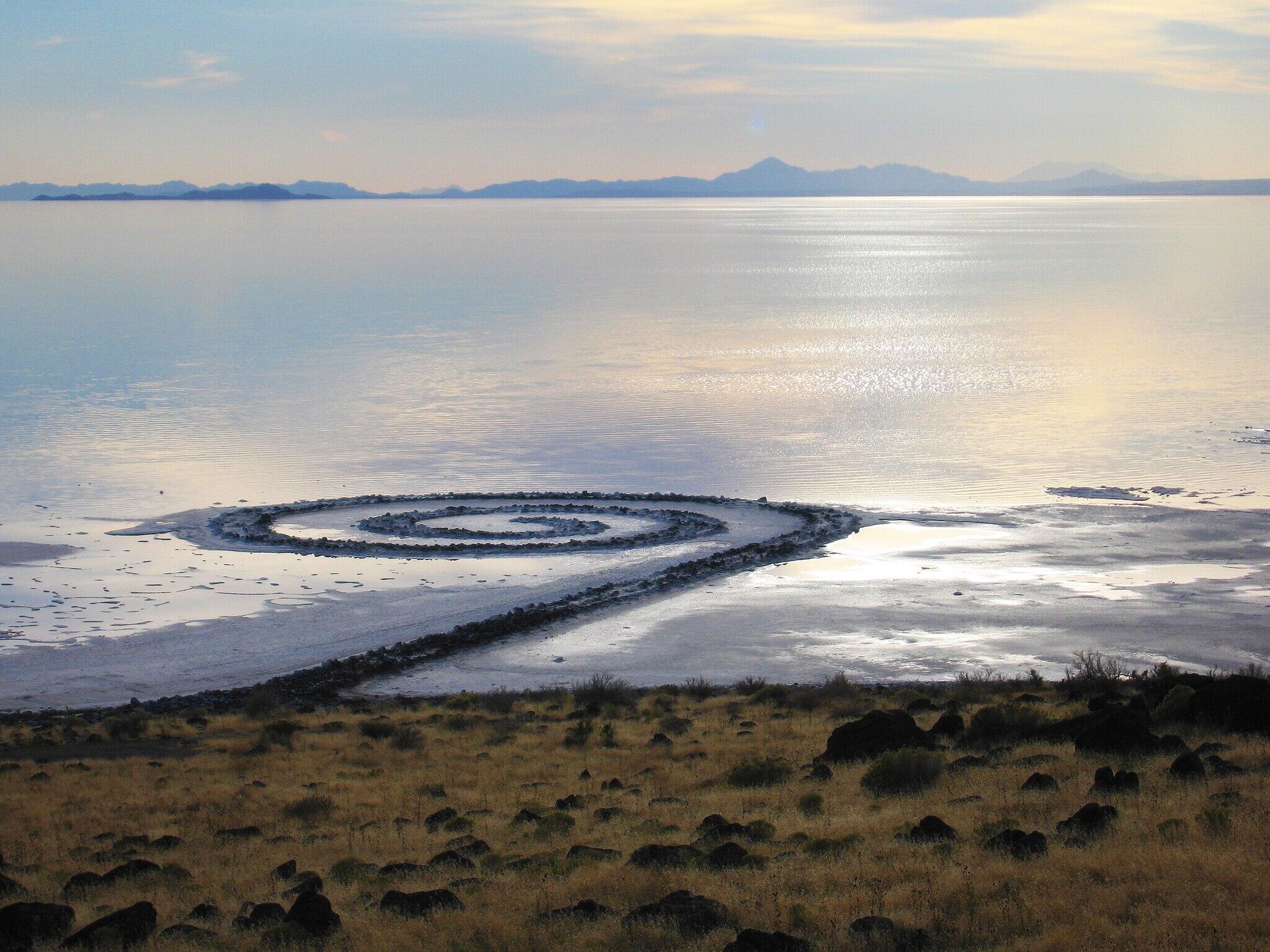
Modern and contemporary sculpture does not always resemble the sculpture that immediately comes to mind. Yet, this diversity is contemporary sculptures beauty. From Tracey Emin’s "Unmade Bed" to Robert Smithson’s "Spiral Jetty", from Marc Quinn’s "Self" to Richard Long’s "White Water Falls".
Learn more about the basics of sculpture in this great article!
The Most Famous Sculptors
People are often interested in hearing about the most important, influential, and famous sculptors around. And honestly, there are a lot of them. However, the important thing to remember is that, as any art historian will tell you, for most of the history of art, we weren’t so focused on the names of painters, sculptors and writers as we are now.
For most of art history, sculptors didn’t even sign their work! In ancient times, sculpture was a collective craft, not about individual fame. It wasn’t until the Renaissance that artists like Michelangelo and Cellini became household names, but even they worked with teams of skilled assistants.
Consequently, some of the most famous sculptures we have, chessmen made of mammoth ivory, ancient art from Mesopotamia, the high relief found on old cathedrals. These are unattributed to any individual. The ‘famous sculptor’ is a category that is necessarily going to miss people out. Again, it wasn’t really until the Renaissance that sculpture, as for the rest of the visual arts, came to be considered through the lenses of individual names. Names like Benvenuto Cellini, Leonardo da Vinci, Michelangelo Buonarroti, came to be associated with some of the most beautiful pieces of art sculpture ever made.
However, even these dudes didn’t work alone. In their respective sculpture workshop, they had many assistants, students, and observers. And so, even at this point, sculpture was always a collaborative task. Of course, the history of sculpture has remembered only these names, just as it has remembered the names of Gian Lorenzo Bernini, Antonio Canova, Pablo Picasso, Auguste Rodin, Henry Moore, Marcel Duchamp and others. It was the vision of these people that was so influential. However, to limit the history of the art to famous names does a disservice to all the others who contributed to its progress.
Some of Their Most Famous Sculptures
And if that’s the most famous names in sculpture, which are the most famous sculptures themselves? Well, we suppose what it is you mean by sculpture! (It’s never easy, is it?) Because, as we have alluded to above, sculpture is not just an art, simply, like a novel. Rather more like painting, sculpture has a whole host of different functions. Sculpture isn’t just Michelangelo’s David, or Rodin’s Thinker – each of them seeking to be art for art’s sake, a little piece of harmony and beauty.
What makes my Thinker think is that he thinks not only with his brain, with his knitted brow, his distended nostrils and compressed lips, but with every muscle of his arms, back and legs, with his clenched fist and gripping toes.
Auguste Rodin
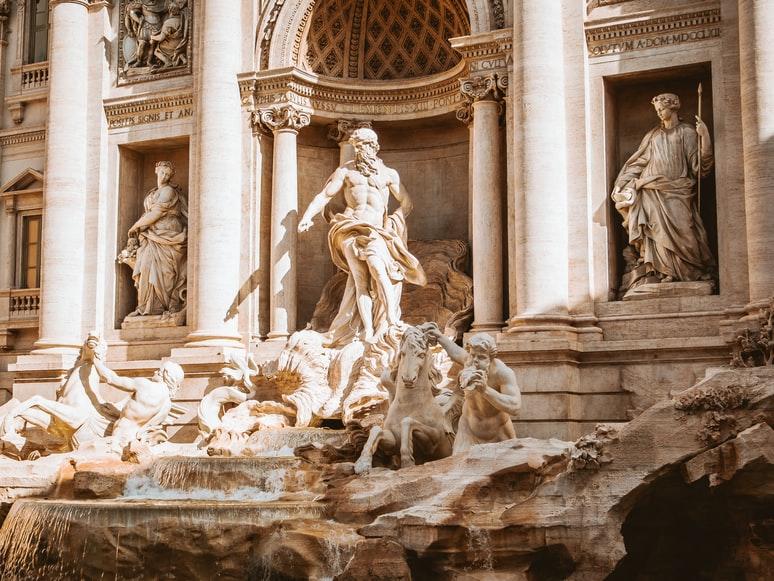
Sculpture, more realistically, is decorative. It idealizes. It is religious and ritualistic. It is bought by power and serves political ends. It shows the world who has lots and lots of money. Sculpture represents an awful lot of different functions. And some of the most famous sculptures have little to do with art at all. And you’ll know some of the most famous sculptures immediately. The Statue of Liberty, Rio de Janeiro’s Christ the Redeemer, Mount Rushmore, the Great Sphinx of Giza, or the Trevi Fountain.
These works, from the earliest to the most modern, are famous not because of the beauty of the art (maybe with the exception of the latter), but for the values, powers, and ideas associated to them. And so, the Statue of Liberty is known less for the intricacy of its design and more for the US idea of ‘liberty’ that it draws upon. These, really, are the sculptures that become famous: the huge works of public art. Next to these, which are so bound up with national, economic and familial power. However, the others don’t really stand much of a chance. Which are people more likely to know? An innovative statue by Henry Moore or Rio’s famous sculpture? Constantin Brancusi’s game-changing work or a statue of Winston Churchill? Fame isn’t everything when it comes to sculpture.
The Different Forms of Sculpture
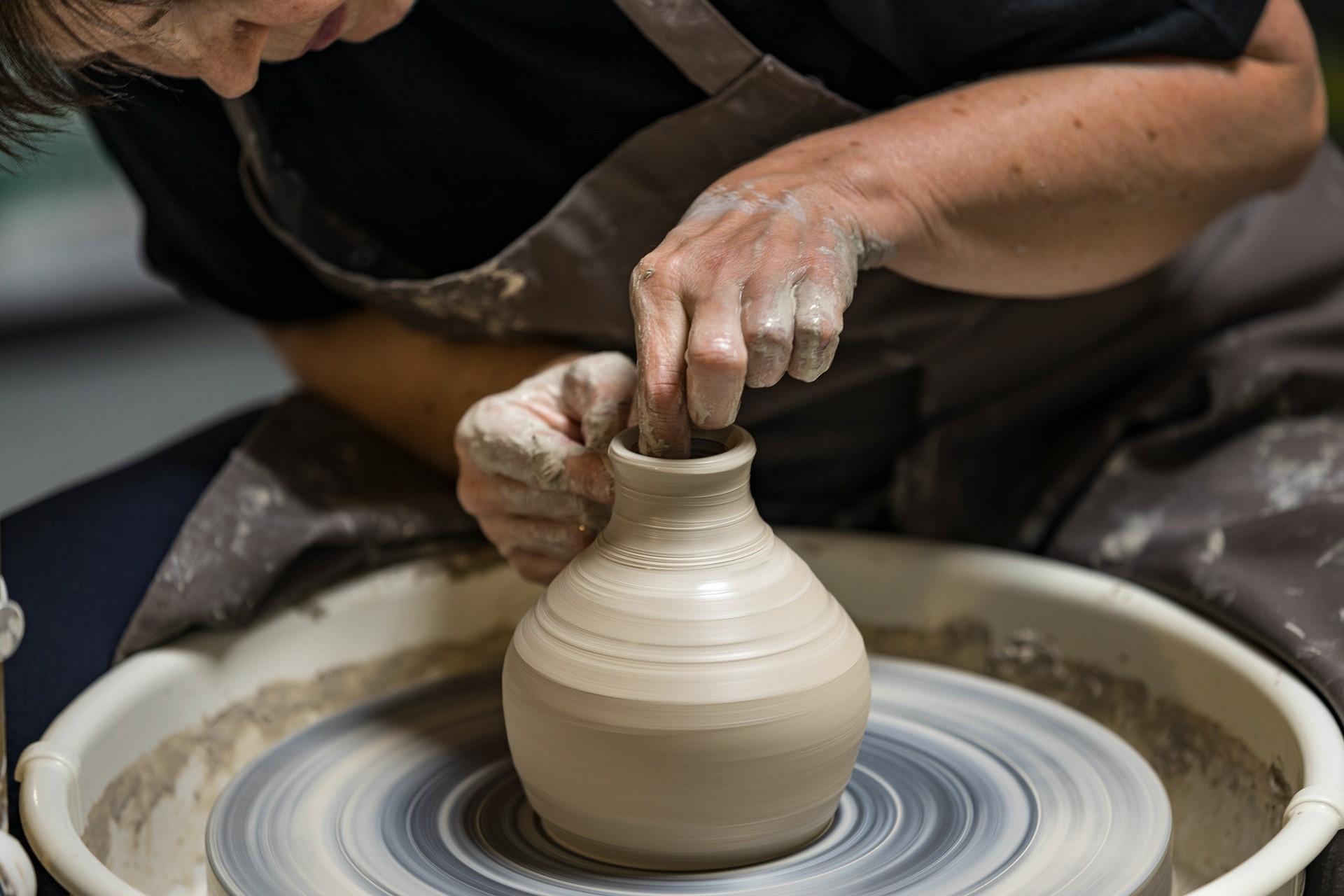
Sculpture appears in many different forms, depending on the material, technique, and purpose. From the earliest stone carvings of prehistory to today’s experimental works, sculpture has always explored how shape and texture can express ideas. Traditional methods include carving, where stone, wood, or ivory are carefully shaped by removing material. Michelangelo’s David is one of the finest examples of this approach. In modeling, the artist builds up form in a soft material like clay or wax before creating a cast in metal or plaster. Casting became especially important in ancient times, used by the Romans and later by artists such as Rodin to produce lifelike bronze figures.
Even the most “modern” sculptures are inspired by the past! 🎨
Michelangelo built on Donatello’s ideas, and Rodin transformed classical traditions into something new. In sculpture, every bold move starts with a touch of history. 🗿
Greek and Roman sculpture focused on balance, anatomy, and the human form, setting the standard for beauty and proportion that influenced the Renaissance and beyond. As art developed, sculptors began to move away from realism. Modern and contemporary sculpture explored abstraction, new materials such as steel and glass, and a wider range of ideas. The arrival of kinetic sculpture, pioneered by artists like Alexander Calder, introduced movement and interaction, allowing works to respond to air currents, light, or sound. Today, sculpture can take almost any shape or form. It may be carved, cast, assembled, or even set in motion. Whether it stands in a museum, a public square, or an open landscape, sculpture continues to connect the physical world with human imagination.
These are questions which, to answer properly, you need an in-depth knowledge of the form, but here, let us say, with the poet, T.S. Eliot, that the history of art is a continuous tension between tradition and individual talent. If a sculptor works in a completely idiosyncratic style, nobody is really going to understand what he or she is going for. If that sculptor builds on the work of past sculptors, however, audiences will have the knowledge and reference points to navigate the different ideas and styles that the sculptor is going for.
So, different styles of sculpture, whilst they might seem miraculously new, are actually always built on previous movements and styles. Take Michelangelo for example. His work is thought of as the peak of Renaissance sculpture. Yet, he was building on the ideas and techniques of Donatello, Brunelleschi and Nicola and Giovanni Pisano. The same with Rodin, another considered completely innovative. Yet, his work was a response to and development of the neoclassical and romantic styles of his day. This is the real birth of new sculptural styles. Not just a sheer ingenuity.
Where to See Sculpture Collections
Summarize with AI:
Did you like this article? Leave a rating!

 Loading...