

One of the three main parts of the ACT, the Reading Test is intended to assess how well students can digest complex written works. Passages from various publications are presented for students to interpret and evaluate through multiple-choice questions. Understanding the structure of this section of the ACT can help you approach the exam with more confidence and earn a higher score.


Understanding the Content on the ACT Reading Section
The reading section of the ACT is comprised of four prompts. Three are scored, and one is a Field Test Passage (a test-run of the question for future ACTs), which is unscored. They are not marked to tell which one is the Field Test, so you must assume that each prompt is scored.
There are three different types of prompts:
Single Passages
One selection from a single source. Students need only evaluate the one passage.
Paired Passages
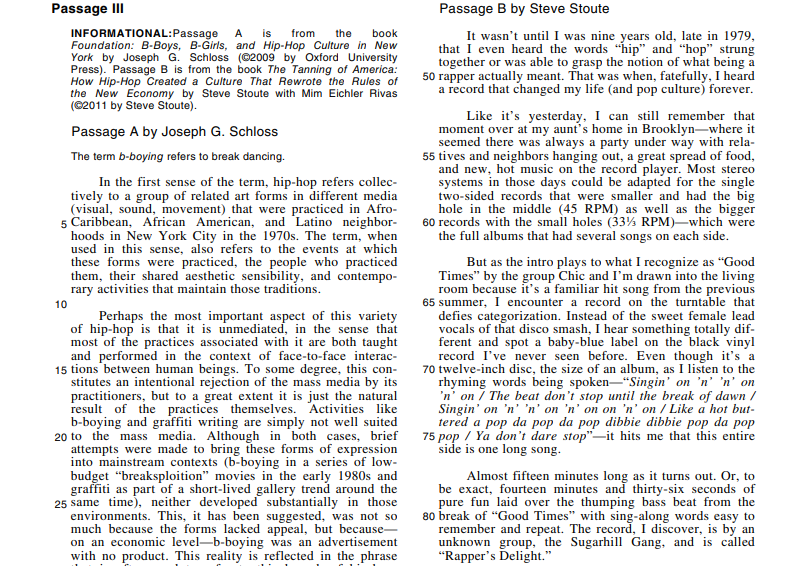
Two shorter selections that relate to one another. Students must compare and contrast the passages to answer the questions.
Visual and Quantitative Information (VQI)
An excerpt and visually presented information, such as a chart or table, that students must interpret together.
Each test version may feature a different mixture of these three question types, and not every version contains a VQI question (and there can only be one VQI per test). Generally, there will be 2 or 3 single passages, 1 or 2 paired passages, and 0 or 1 VQI.
The selections may range from about 650 to 750 words, with paired passages each being on the shorter side.
Find out how to prepare for the English ACT section.
The assessment consists of a mixture of four passages, paired passages, and/or a VQI. Each one is accompanied by 9 multiple-choice questions, for a total of 36 questions. Students have 40 minutes to answer them all.
Passage Genres on the Reading ACT
There are a variety of possible genres that ACT excerpts can be. It’s not vital to know about any of the topics in advance; the passage will provide all the information you need to answer the associated questions correctly.
Remember, this part of the exam is about reading comprehension and critical thinking based on the information given, not about your knowledge in other areas.
It’s helpful to know that each genre typically asks specific types of questions, so you know what to look for while studying the excerpts.
All sections require students to demonstrate perceiving tone, understanding arguments, and comprehending evidence through inference or interpretation.
The writing skills assessment for the ACT is optional. Find out more about scoring well on the writing ACT.

Key Skills Assessed in the Reading Section ACT
By presenting a variety of selections and prompts, students are assessed in several areas involving comprehension, critical thinking, and deep understanding. The ACT assessment differs from the SAT by presenting longer passages and more thorough evaluations of the content.
Common Question Types on the Reading ACT
Questions presented are designed to challenge different skills, resulting in a well-rounded evaluation.
While they differ slightly from test to test, they often fall into one of several categories:
- Main Idea: Asking for the central theme or argument of an excerpt.
- Detail: Focusing on specific information mentioned directly in the content.
- Inference: Requiring conclusions based on implied information.
- Vocabulary in Context: Testing understanding of word meaning as used in the passage.
- Function or Purpose: Examining why an author includes a particular phrase or example.
- Comparison: In paired selections, asking how two authors relate or differ in their views.
Taking practice tests helps you recognize these question types more quickly, saving you valuable time on exam day.
Learn how to succeed in the ACT writing section.
The reading section measures your ability to read closely, reason logically about texts using evidence, and integrate information from multiple sources.
ACT website
Key Ideas and Details
Think of this evaluation category as comprehension and analysis.
Comprehension comes from a deep understanding of the content beyond what is explicitly stated in the selection. By not just looking at the words, but really grasping the implications of what is being stated throughout the passage (or passages, if there are two).
Students must be able to identify the main idea, central themes, supporting facts, and understand how different ideas relate. Being able to accurately summarize the text in your own words is crucial. A firm grasp on sequential information and cause-and-effect relationships is important.
Focus on reading carefully, rather than quickly.
of the questions
Craft and Structure
These prompts require the student to evaluate the selection beyond just what the words explicitly say. Meta-analysis of the passage, including the structure, word choices, author information, and any other background context, is imperative.
Students must be able to use context given through phrases and implied meanings to explain the author’s purpose and perspective. Think of these types of questions as looking for helpful clues about the content based on the presentation of the information.
of the questions

Integration of Knowledge and Ideas
This section focuses on critical thinking. Beyond comprehension, critical thinking requires you to be able to answer “why” and “how,” as well as extrapolate information and use it in new contexts.
This part of the assessment asks students to evaluate the information given and determine if it is sound or biased; differentiating between fact and opinion is a key skill.
While studying an excerpt, question the writer’s intention so you can recognize what the information is meant to convey. Is it supposed to be facts taken at face value? Is there supporting evidence for those facts? Or is there personal opinion and bias within the excerpt?
of the questions
The mixture of these different question types reveals student strengths and weaknesses in comprehension and literacy. Taking practice tests is the best way to evaluate yourself and determine what areas, if any, you need to work on. For many, critical thinking is the most difficult part of the exam.
Discover tips for the math ACT portion.
Effective Strategies for Success
Preparing for the ACT requires practice. Not only do you need to brush up on the actual skills being evaluated in each section, but you also need to get familiar with the way questions are presented, as well as the right way to give answers. Additionally, honing your test-taking skills will help you feel more prepared so you can do your best on exam day.
Time Management
One of the biggest pressures of any major test is the ticking clock. With only 40 minutes to read 4 texts and answer 36 prompts, pacing is one of the biggest determiners of success in the reading ACT.
An efficient approach will save you lots of valuable time. To maximize your time on the assessment:
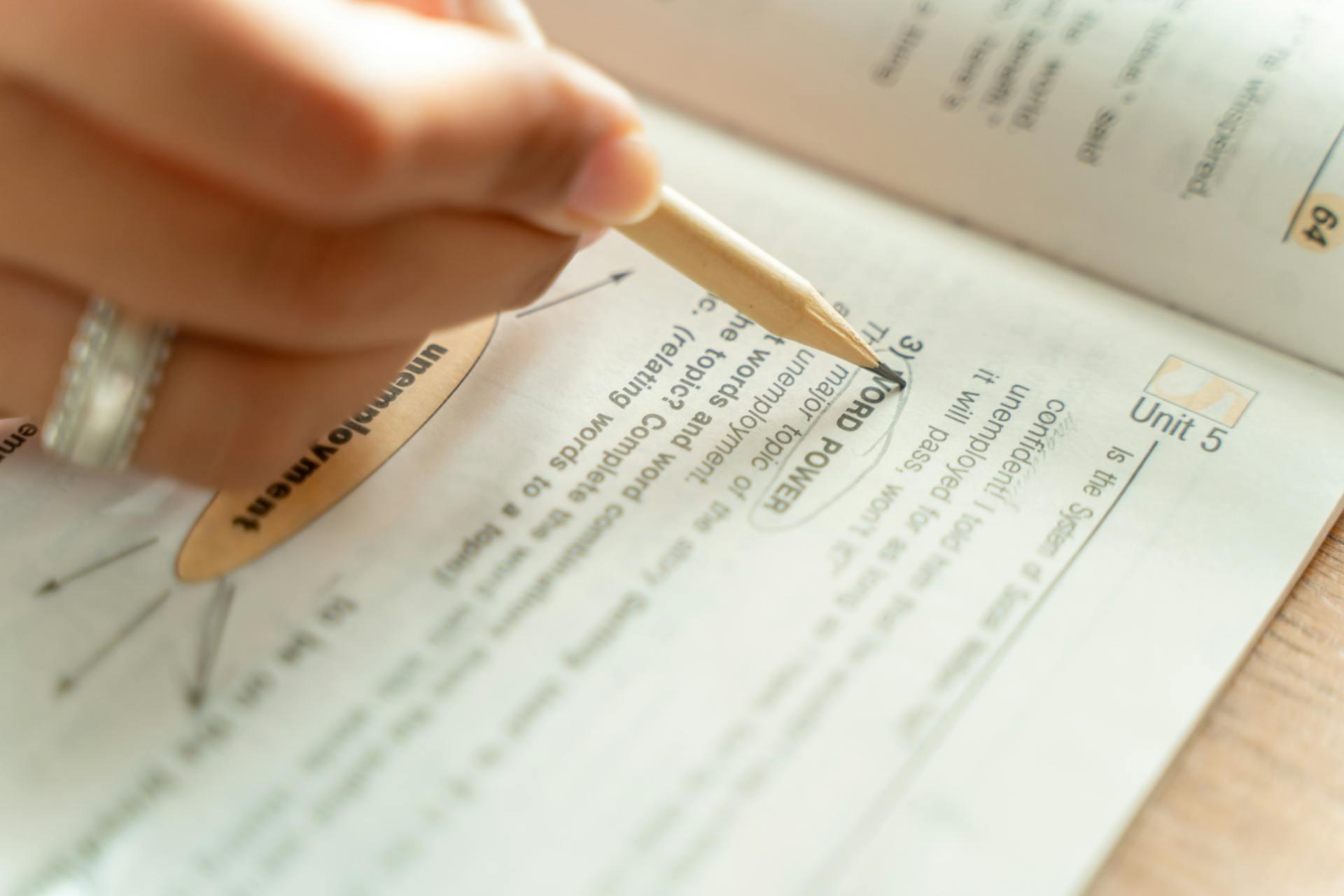
- Try to read the entire passage only once, underlining and circling important parts as you go. Note important sentences in case you need to reread them, so you don’t waste time finding them again later.
- Aim for spending 3-4 minutes reviewing the excerpt, and 3-5 minutes answering questions.
- Spend about 30 seconds on each question.
- Aim for 8-9 minutes per prompt maximum.
- Spend less time on easy excerpts and questions so you can spend more time on the more difficult parts.
Taking practice tests under timed conditions will help you get a sense of how long to spend on each activity and help you feel less stressed under pressure.
Reading Techniques for Passages and Questions
The ACT does not present content in the same way as an English class, nor does it have the same expectations in terms of analysis and critical thinking.
While you’ll need to comprehend, analyze, and think critically about the excerpts, the test makers also know you’ll need to do it very quickly. The questions are not very in-depth, but are designed to check if you really understand both what the passage says and what the question is actually asking.
Keep these techniques in mind while studying the text, questions, and multiple-choice answers on the ACT reading portion.
Find out how to prepare for the science ACT section.
Passage Texts
Start by taking note of any information given about the text, such as who the author is and their background, and the context of the selection's publishing (scientific journal, memoir, etc.). This information gives you a better idea of the author’s perspective and intent.
Read actively, marking the important ideas as you read. The prompts will mostly be about the bigger concepts, not the small details.
In paired passage readings, students can read Selection A fully, answer its questions, then move to Selection B. Only after both are read should they address questions comparing the two. This way, you won’t forget or mix up information from the two selections.
Some students benefit from looking at the questions before the text, keeping the gist in mind while reading.
Others find this to be too much to hold in their head at once, so it's easier to read the passage before the questions.
Some excerpts and questions are better suited for pre-reading, while others are not.
Practice both ways to get a sense of which types of questions are better for pre-reading, and discover which method suits you better before taking the test.
Questions
Approach the test like a test-maker, rather than a test-taker. The questions are meant to pinpoint a skill, not leave room for nuance. They are usually very literal.
Just like identifying the main idea in the text, make sure you break down a question to completely understand it. This will help you narrow down your answers and avoid an incorrect answer based on a misinterpretation of the question.
Multiple Choice Answers
Remember that there is always exactly one right answer. Find ways to eliminate wrong answers, especially if you’re not sure of the correct choice right away.
Typically, you can eliminate overly extreme answers that use words like “always” and “never,” and too-vague answers that don’t particularly address anything specific from the excerpt.
Double-check answers that make inferences to see if the conclusion makes sense. When an answer references something specific in the passage, make sure it gets the details right.
With practice, you can quickly and easily locate evidence in favor of the right answer and against the wrong answers. All the information is right in front of you; the trick is getting good at learning to recognize the useful data.

If you spend more than 30 seconds on a question, try leaving it and coming back to answer later. Just don’t skip too many questions this way, or you will run out of time.
If you have spent more than one minute on a question, even after going back to review, make a guess. Leaving the answer blank means you will definitely get it wrong; answering randomly gives you a 25% chance of a correct answer. If you can eliminate any obviously wrong answers, your chance increases.
Analyzing Texts
Systematically dissect a passage as you read. Identify the information available in every selection:
- The main idea
- Supporting evidence of the main idea
- The author’s tone
- Facts and opinions
Keep in mind the three areas the excerpts are meant to test: Key Ideas and Details, Craft and Structure, and Integration of Knowledge and Ideas.
Underline or circle important ideas or vocabulary words. Annotate paragraphs with one word that summarizes the main idea so you can quickly locate the section again if you need to refer to it when answering questions.
You don’t need to remember every word of the excerpt to be able to find the right answer. Instead, get familiar with identifying important information and making it easier for yourself to refer back to specific sentences.
Learn how the ACT scoring system works.
Build Reading Stamina and Exposure
The reading section can be tiring because it demands sustained, highly focused attention on random subjects that may or may not interest you.
Practice absorbing content that’s similar to what’s on the test to get used to taking in that type of vocabulary and phrasing. You’ll also pick up important vocabulary words and learn how to digest informational texts faster and more accurately.
Taking Practice Tests
The best way to prepare for the test is to hone your skills with practice tests. Read practice passages and questions from the ACT website and other resources while actively working on your ability to pick out important information and get used to the way questions and answers are phrased.
Effective practice focuses on analyzing mistakes and refining techniques. While completing practice tests, note:
- Which question types do you often miss?
- If you’re spending too long on studying passages, and why.
- If you have a lot of errors due to misreading or misinterpretation.
Try out different techniques, like studying questions before the selection, to see what clicks with your particular test-taking style.
When you improve these skills, move on to practicing timed tests and reducing the amount of time you spend on each action so you can have the most possible breathing room on test day.
Students should start practicing several months in advance to gradually improve the skills required for taking the ACT standardized test.
The ACT Reading Section rewards discipline, focus, and strategy. It primarily tests how effectively students can use their knowledge under timed conditions. Remember to take a deep breath and calm yourself so you can easily focus and understand the text and questions presented to you.
References
- ACT Education Corp. (2025). Preparing for the ACT test. In Preparing for the ACT Test. https://www.act.org/content/dam/act/unsecured/documents/Preparing-for-the-ACT-e.pdf
- Description of reading test. (n.d.). ACT. https://www.act.org/content/act/en/products-and-services/the-act/test-preparation/description-of-reading-test.html
- Laszlo, S. (2026, March 27). What to expect on the Enhanced ACT Reading Test (2026) - Test Innovators. Test Innovators. https://testinnovators.com/blog/act-reading/
Summarize with AI:
Did you like this article? Leave a rating!

 Loading...